The Latin term, Lux, is used to describe both “light” and "luxury." In its original sense, luxury means excess, but in contemporary visual language, it has manifested itself as restraint: controlled highlights and negatives, surfaces that absorb rather than reflect, and a play of light.
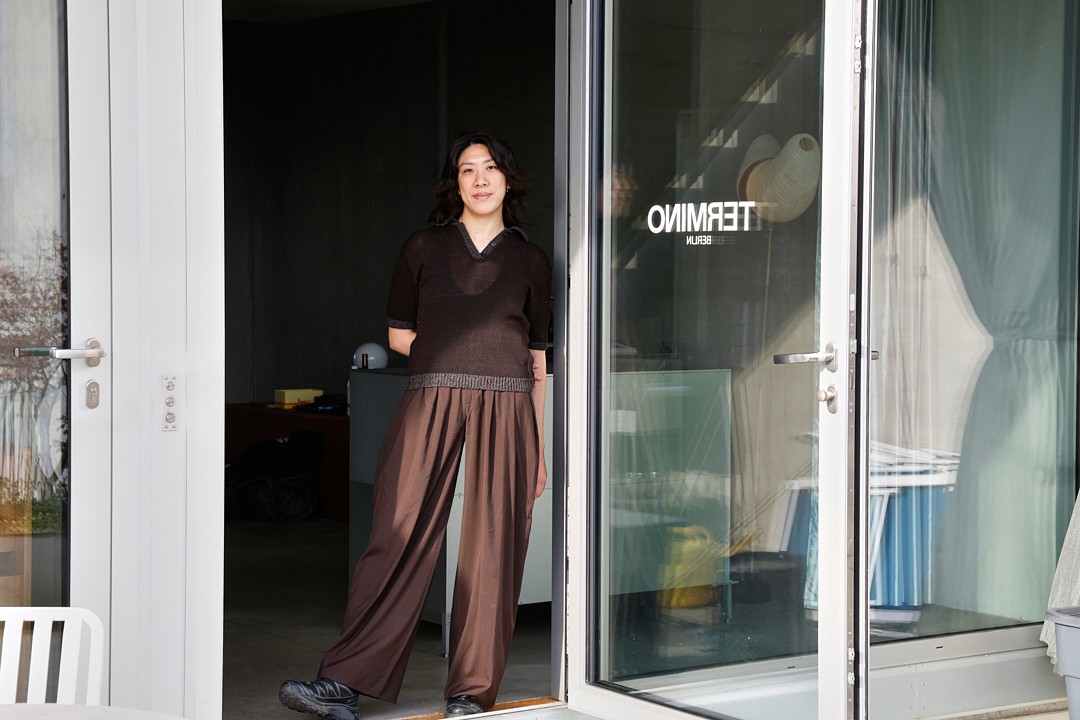
DEPENDE is a design studio founded in the pursuit of creating non-duplicating designs, - Alma Leandra speaks to the design studio on repetition in design and what it means to design on a context-basis.
Valencia has a very particular quality of Mediterranean light. Did the city itself inform the decision to build around natural light, or was that driven purely by the space you were working with?
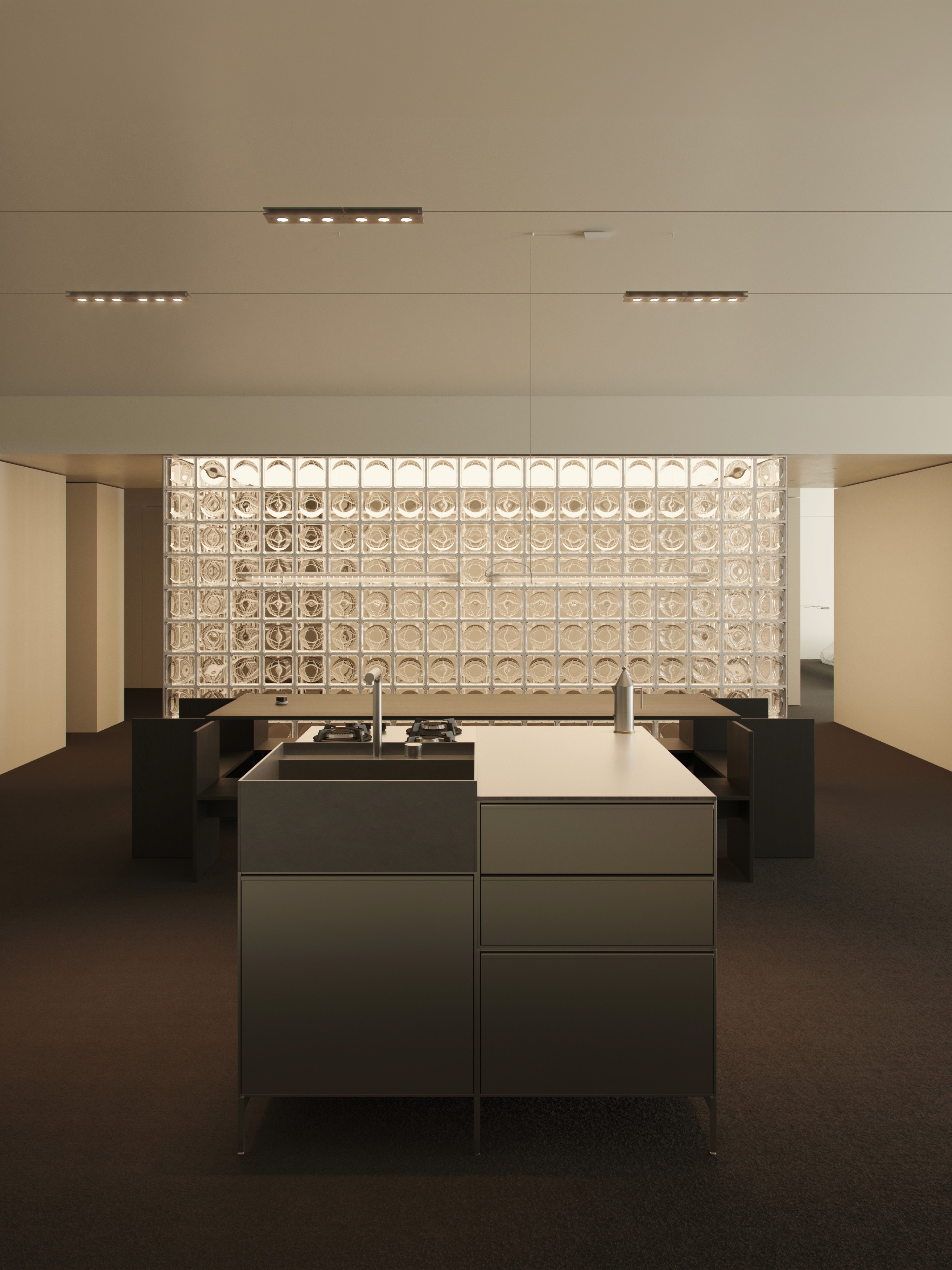
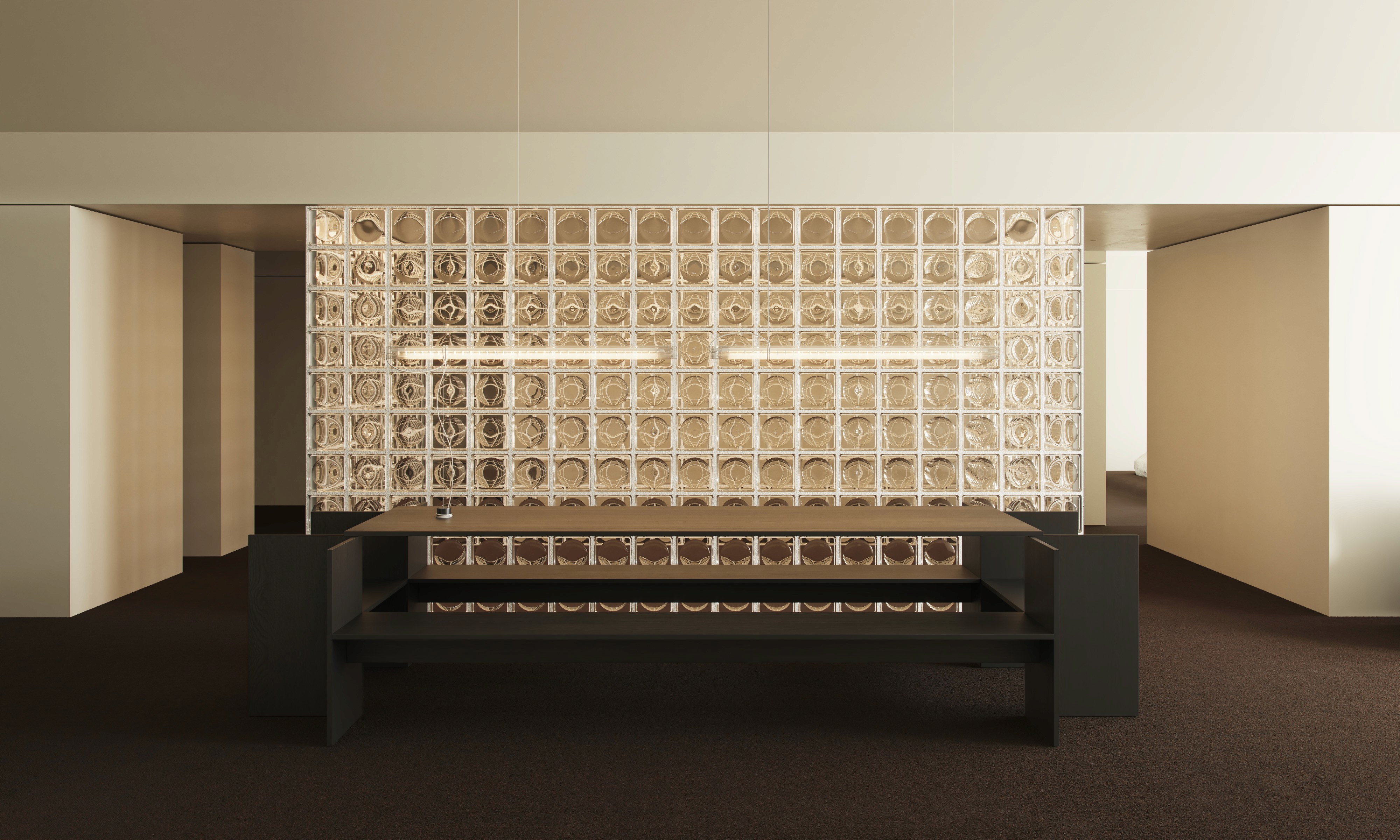
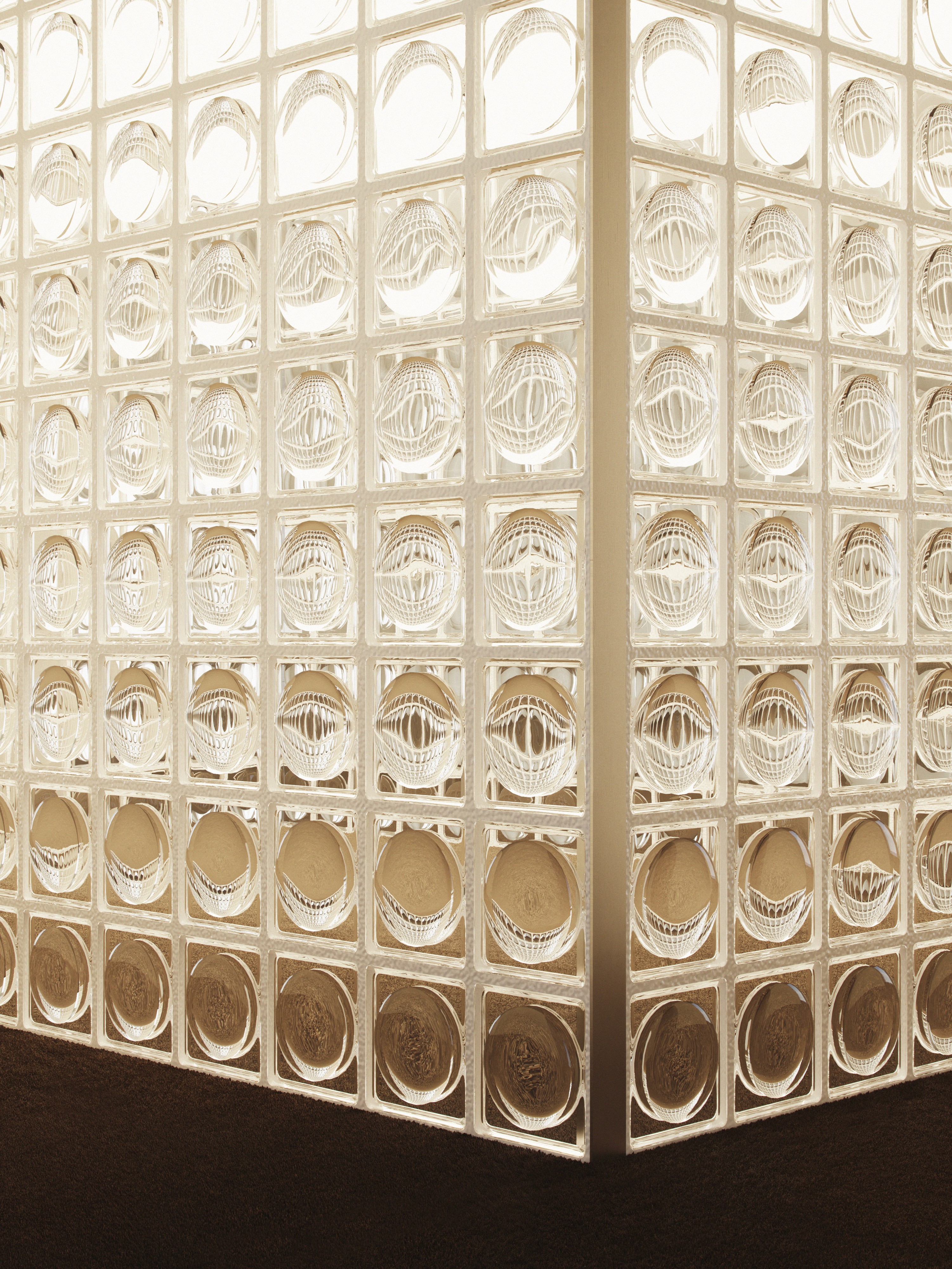
Context plays a fundamental role when thinking about a project. In Valencia, light is not just a condition but a defining quality of space. In Sant Vicent, the project originates from the intention to distribute natural light throughout the entire apartment by means of a luminous core, a central element capable of filtering and extending it across different rooms. The fact that the apartment is located on a high floor allows it to receive an abundant and consistent amount of daylight, which became part of the starting point of the design. This strategy enables most daily activities to take place without artificial lighting, while also reinforcing a sense of continuity between spaces.
If light is the organising principle of the apartment, does that create a gradient/areas that are intentionally darker or more withdrawn, or does light move through the space more democratically?
Allowing certain areas to remain less illuminated is often more interesting, creating a sense of depth and ambiguity. Rather than pursuing a fully homogeneous lighting scheme (which might be a bit flat), we were interested in working with gradients and transitions. The luminous core produces an intensity that gradually fades as it reaches the perimeter of the apartment, allowing shadows and softer atmospheres to emerge. This controlled variation introduces a quieter, more nuanced spatial experience, where light is not evenly distributed but carefully modulated.
The glass blocks have a very specific visual character, that pressed circular pattern carries a particular cultural memory, somewhere between 1960s Italian modernism and Mediterranean domestic architecture. Was that reference intentional, or were you primarily thinking about what the material does optically?
We don’t usually begin from explicit references, but from questions and conversations that emerge within the project itself. In Sant Vicent, the starting point was how to bring natural light into every part of the apartment without fragmenting the space. The luminous core appears as a response to that condition, concentrating and redistributing light from a single element. Interestingly, while reflecting on the project now, we realised it has something in common with optical systems like Fresnel lenses used in lighthouses. It wasn't intentional at all, but we find it quite funny how these kinds of associations just show up afterwards.
The glass block does two things simultaneously, it lets light through and it breaks it apart. Which of those effects were you actually designing for?
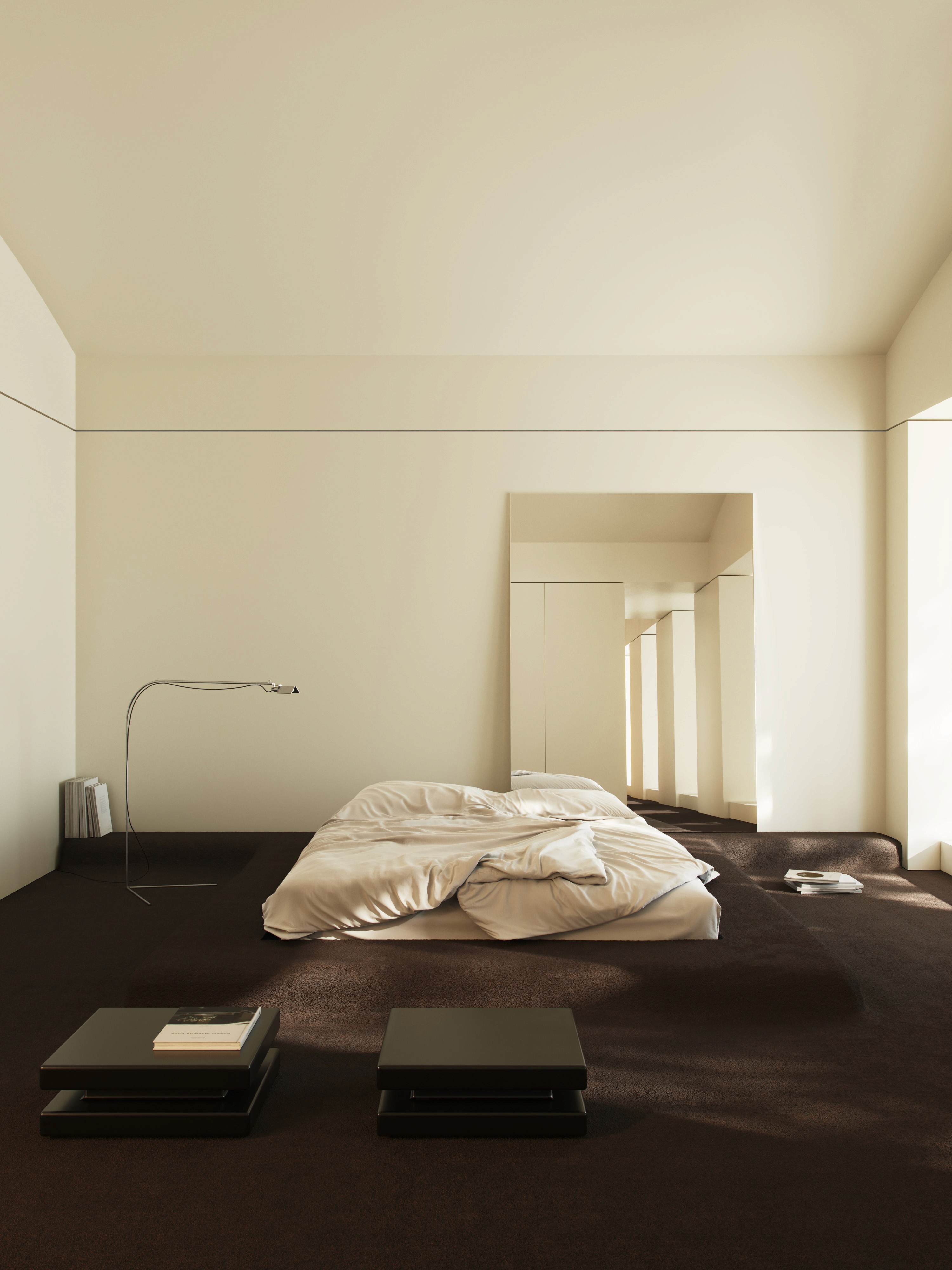
It operates in both ways. It allows natural light to enter and reach deeper into the apartment, while also filtering and softening it, avoiding direct glare. This modulation is further reinforced by the dark carpet flooring, which absorbs excess light and prevents harsh reflections. We like to think that these elements create a more controlled and comfortable visual environment.
You've described a moment where you stepped back from Sant Vicent and realised the issue was material, not spatial. How do you know when to stop solving spatially and start looking elsewhere?
We reached a point where the spatial logic of the project was already working in a coherent way. The relationship between the three volumes felt balanced and clearly defined. At that moment, the question shifted: what if one of these elements could take on an additional role? What if it could generate enough light to reduce artificial lighting to a minimum? This question led us to reconsider the role of the luminous core, not just as a spatial device, but as an atmospheric one.
Did the TERMINO kitchen act as an anchor within the apartment, or did you try to dissolve it into the overall composition?
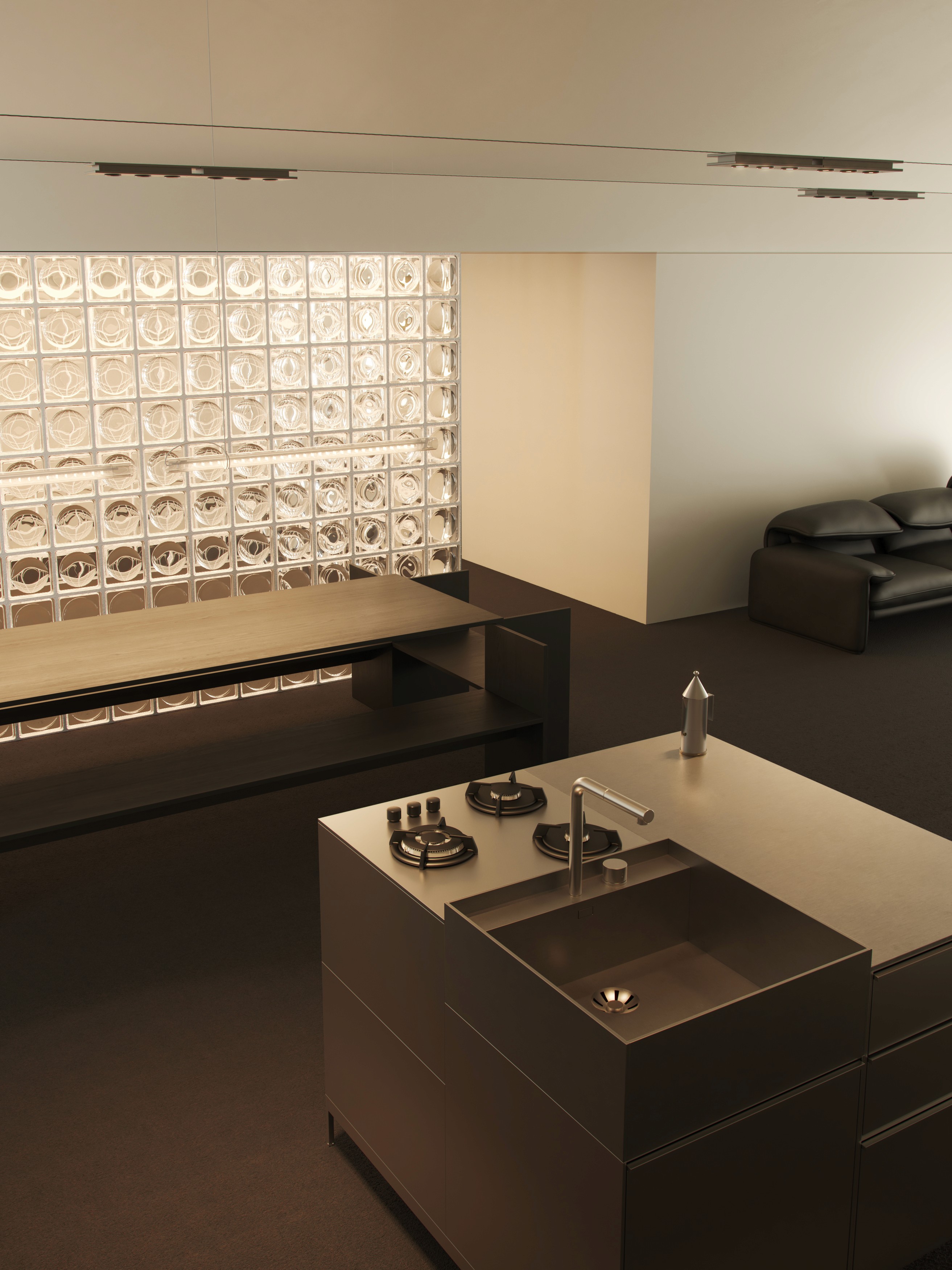
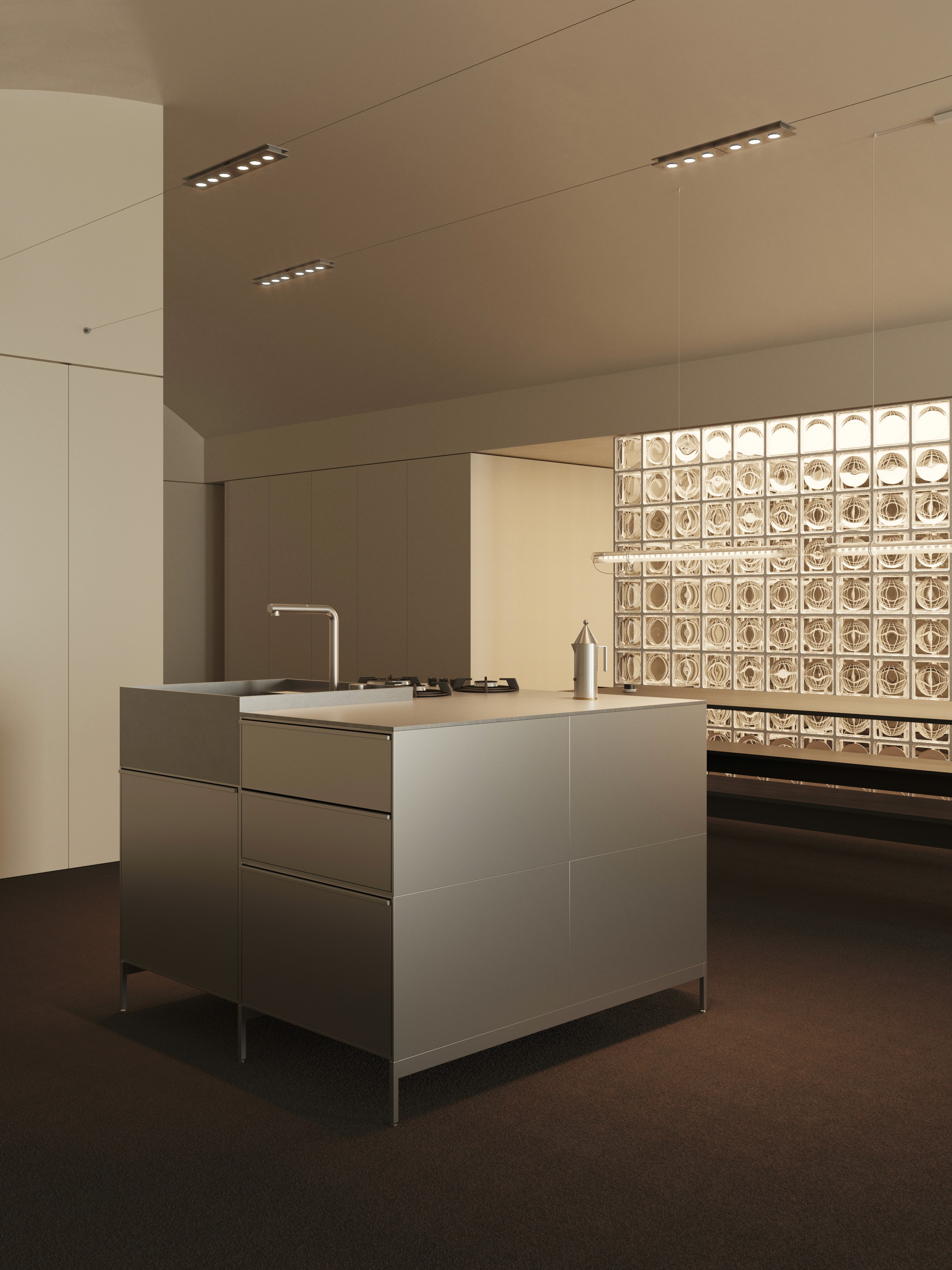
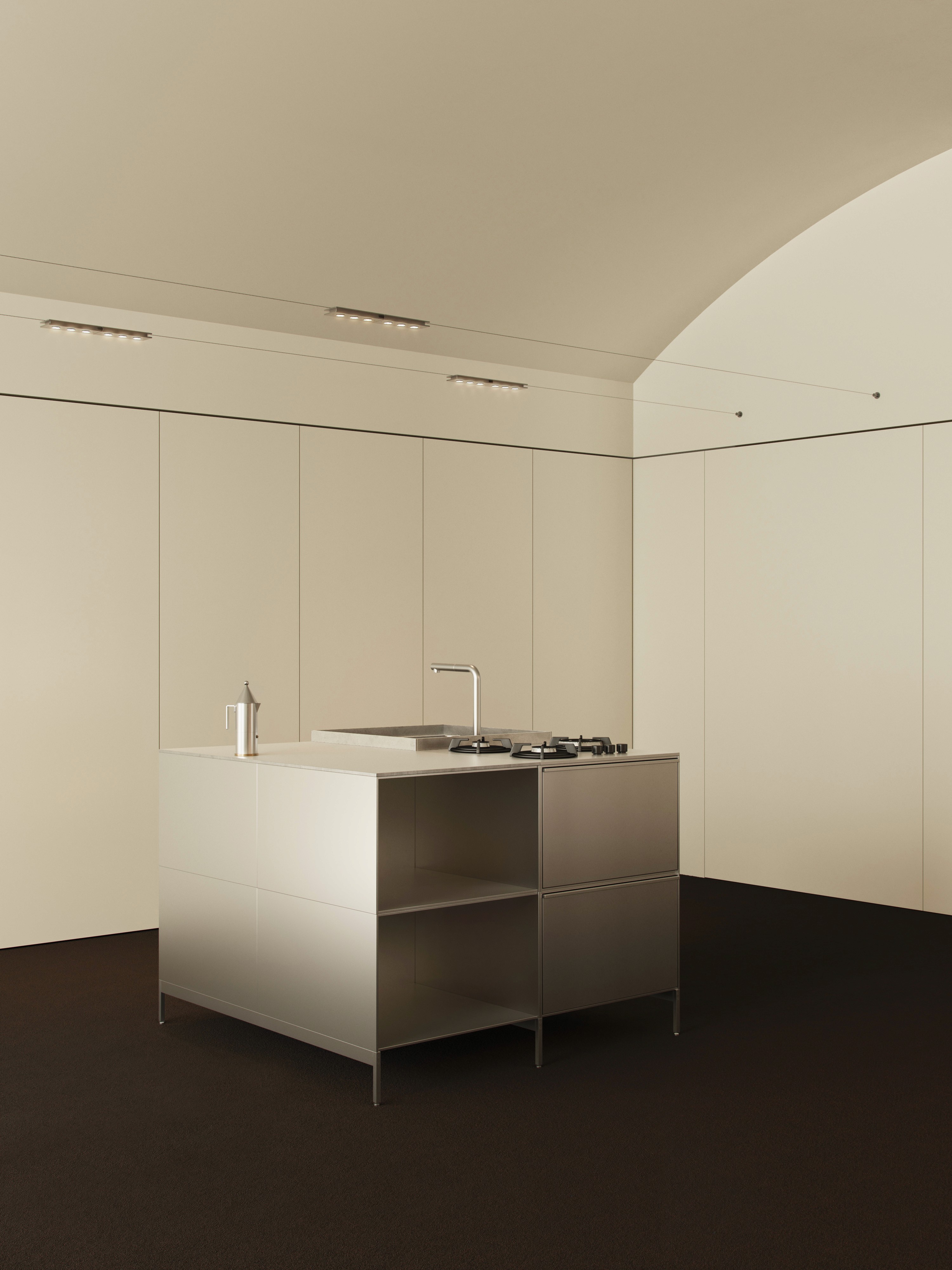
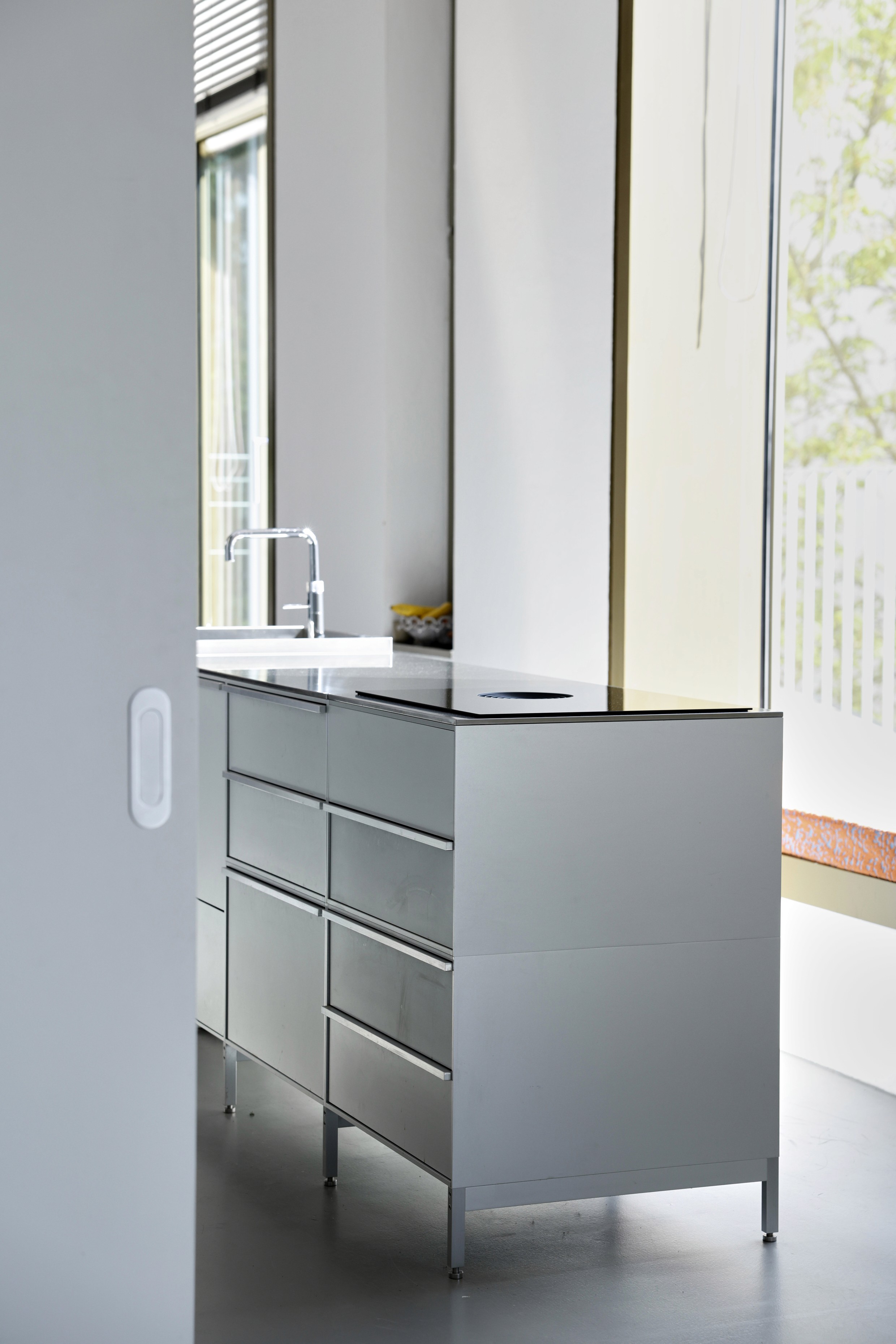
Our approach to the kitchen always depends on the project. In this case, we understood from the beginning that it would take on a certain presence, functioning as a freestanding element rather than being embedded into the architecture. In that sense, it operates more as an anchor within the space, not by dominating it, but by establishing a clear point of reference within a largely continuous environment. The intention was not to dissolve it completely, but neither to treat it as an isolated object. Instead, it sits in a subtle balance between autonomy and integration. At that point, we started wondering: what if its material definition could reinforce this condition, allowing it to be perceived as a distinct piece while still participating in the overall spatial continuity? This ambiguity was important for us, as it avoids a hierarchical reading and allows the kitchen to engage with the space in a more open and flexible way.
Some architects design the kitchen last, as a practical conclusion to a spatial concept. Others start there. Where did the TERMINO kitchen sit in your process?
Even if it reads as an individual object, the kitchen was always considered an essential part of the project. It was not a late insertion, but something that was present from the early stages of the design process. Its position and role were defined alongside the main spatial decisions, particularly in relation to the void created by the three volumes within the apartment.
The kitchen is a steel object in a space that is largely warm and soft. Did you want it to feel foreign to its surroundings, or integrated?
Although it may initially read as a cold object due to its materiality, the stainless steel kitchen behaves in a more nuanced way. Its reflective surface captures and reinterprets the darker and warmer tones of the surrounding space, allowing it to shift depending on light and movement. This was an intentional decision from the beginning. Rather than remaining isolated, it subtly participates in the overall atmosphere of the apartment. What appears as a rigid, industrial element becomes a responsive surface that integrates itself within a more continuous and layered spatial experience.
Did working within TERMINO's modular system change any decisions you made about the space around it, - or did the space come first and the kitchen had to find its place within it?
This is less a question of hierarchy and more of dialogue. The space set the initial framework, establishing the main relationships within the apartment. Working with TERMINO’s modular system then introduced a level of precision that helped refine those initial decisions. Its modularity allowed us to find proportions and dimensions that felt appropriate for the project. This interplay enabled the kitchen to feel both integrated and precise, reinforcing the overall coherence of the space.
Where is the line between restraint and under-designing, know when a space has enough?- how do you
This feels quite difficult to answer. For us, restraint is not about doing less, but about doing only what is necessary. The line appears when every element in the space has a clear role and nothing feels arbitrary. When additional gestures stop reinforcing the idea and begin to dilute it, that’s usually the moment to stop. At the same time, this threshold is often shaped by external conditions, such as timelines and client expectations, which tend to define that line more quickly than we sometimes would. Rather than seeing this as a limitation, we understand it as part of the process, a framework that forces decisions to remain precise without losing clarity.
Is there something you wanted to do in this project that you held back from? And do you think the space is better for it?
Not really. If anything, we’re more interested in understanding how these decisions will continue to evolve over time. The space is not seen as something fixed, but as something that adapts through use, where its qualities can shift and be reinterpreted beyond the initial design.