Everything Happens in the Kitchen: Interviewing Cristina Poelk
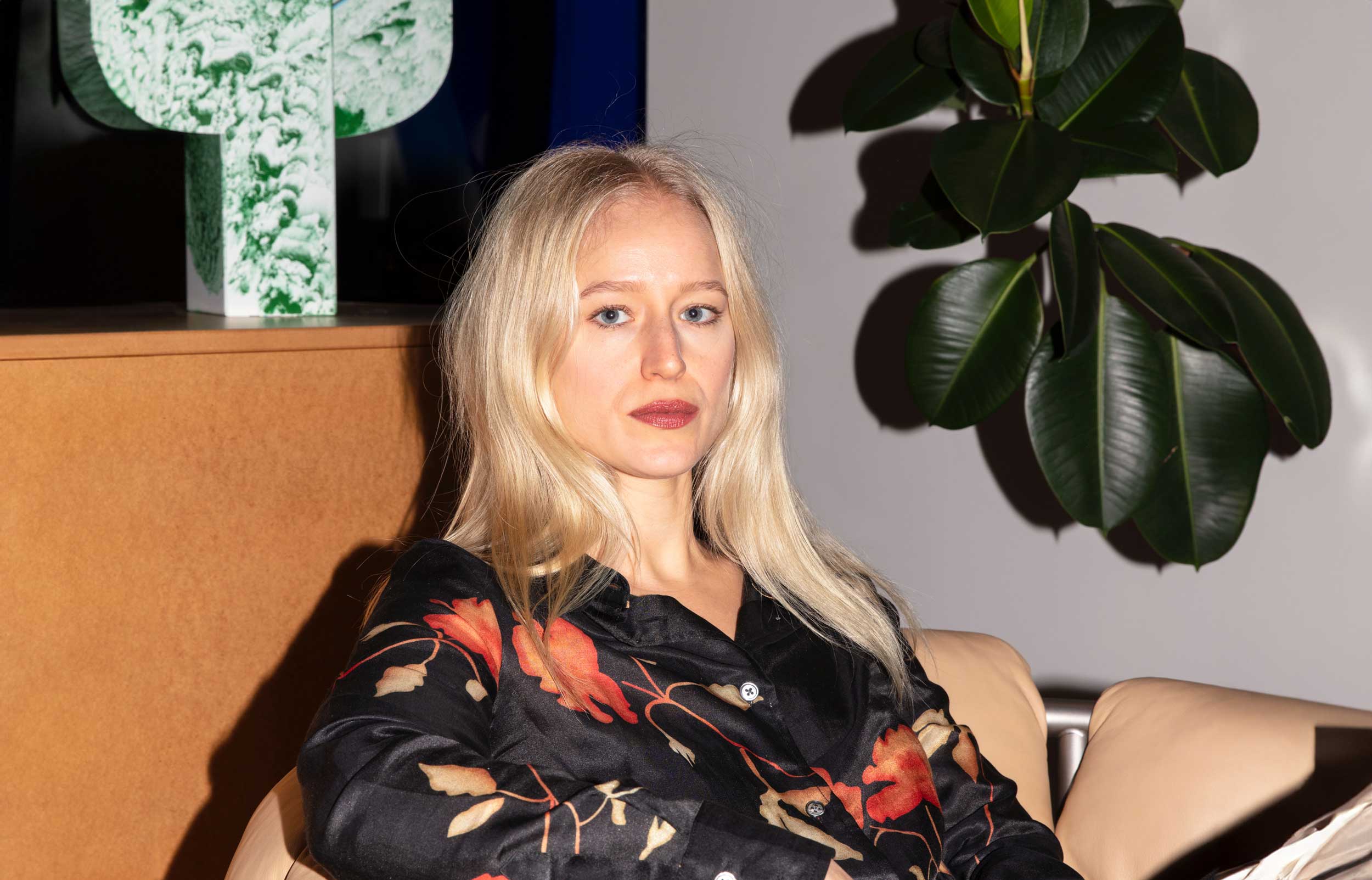
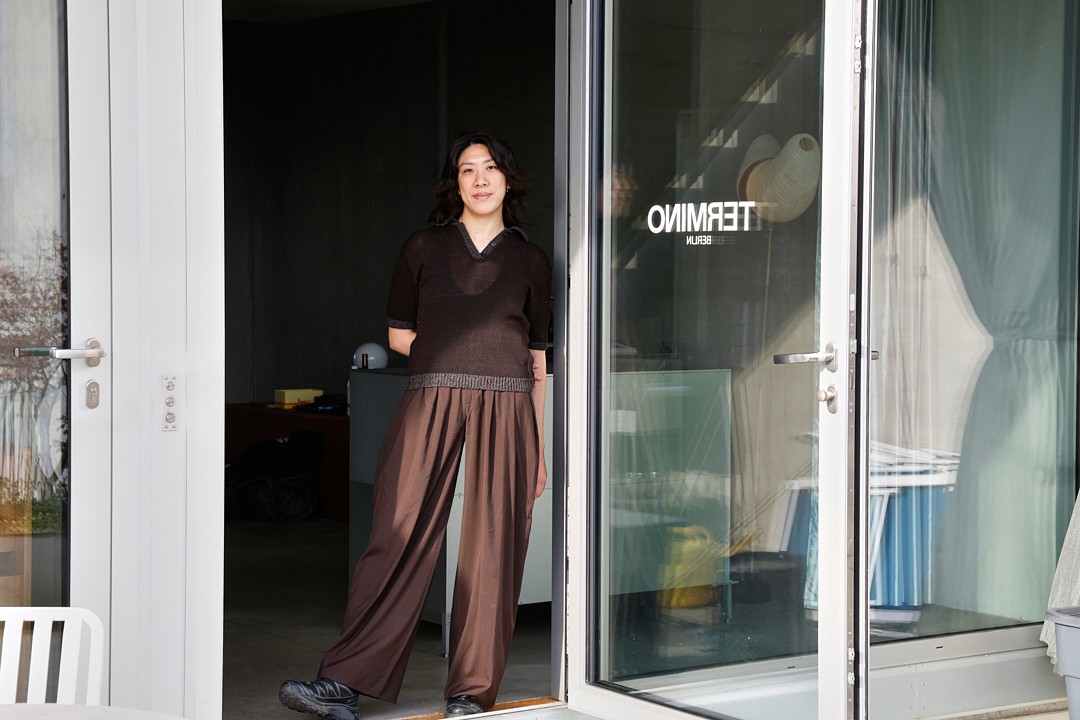
A couple of weeks ago we unveiled our latest collaborative space with Interior Architect Cristina Poelk. Cristina envisioned an entirely new TERMINO configuration, wrapped up in a spatial experience that's both sleek yet cosy. And we loved speaking with her! So we wanted to do it again right away in the form of an interview.
We jumped on a Berlin -> Stockholm facetime to ask about her kitchen platform Soft Servings, her relationship to the kitchen as a space, and how she envisions the role of the kitchen in future society. Enjoy!
"For me, everything has always happened in the kitchen. It's such a warm place, quite literally, but also more emotionally"
I opened with a more fundamental question about why exactly Cristina is so passionate about the kitchen as a space above others.
"The daily ritual of cooking is extremely important. After a day at work, that's the time where I wind down and have that “How’s your day been” conversation while I prepare food. These things are so interconnected for me, nourishing and talking to each other and working with your hands, cooking and dining addresses all the senses. I think it comes from this family mindset. It's just a very social place; maybe the most social place in the home."
What's the story behind your kitchen Instagram "Soft Servings"?
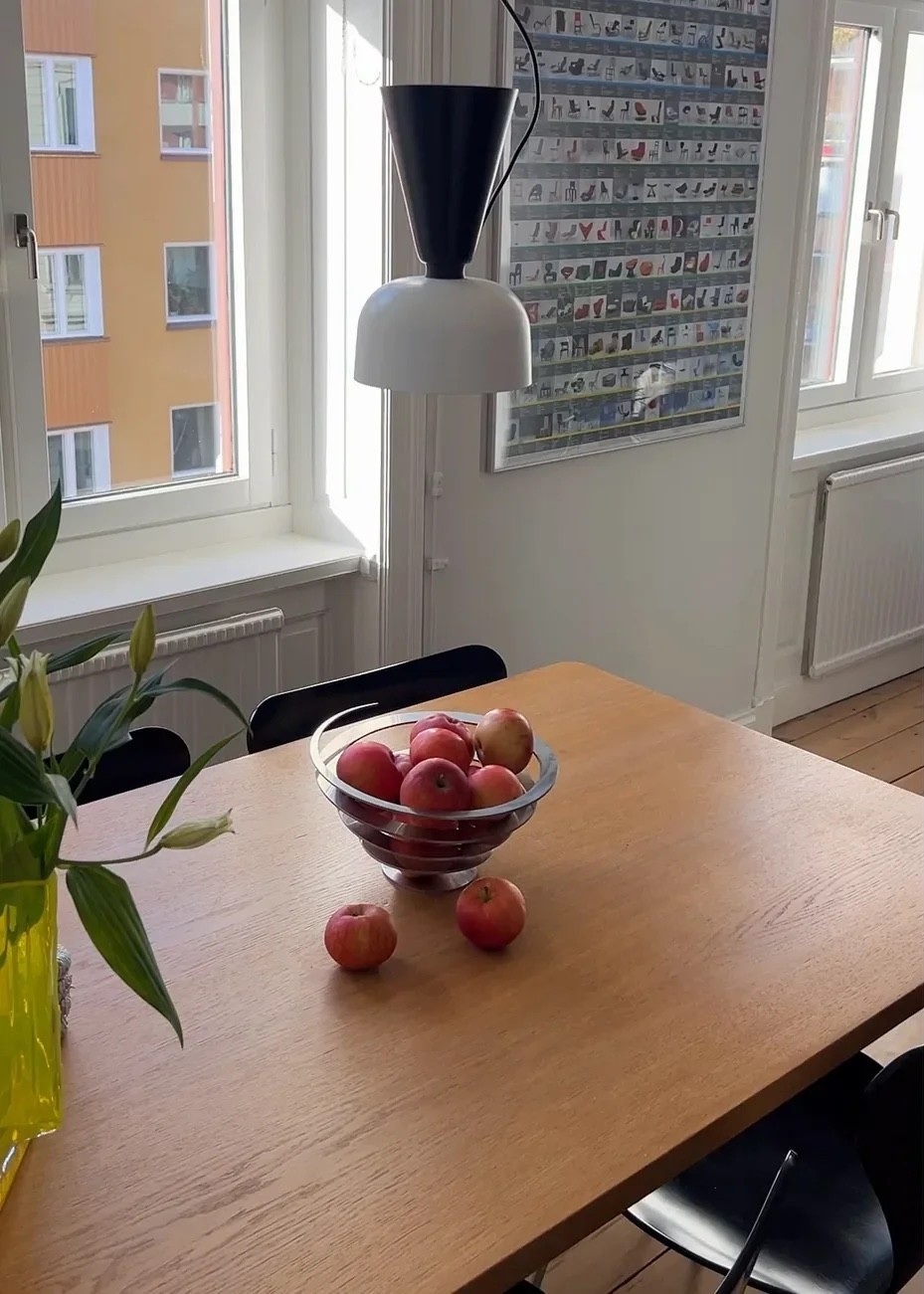
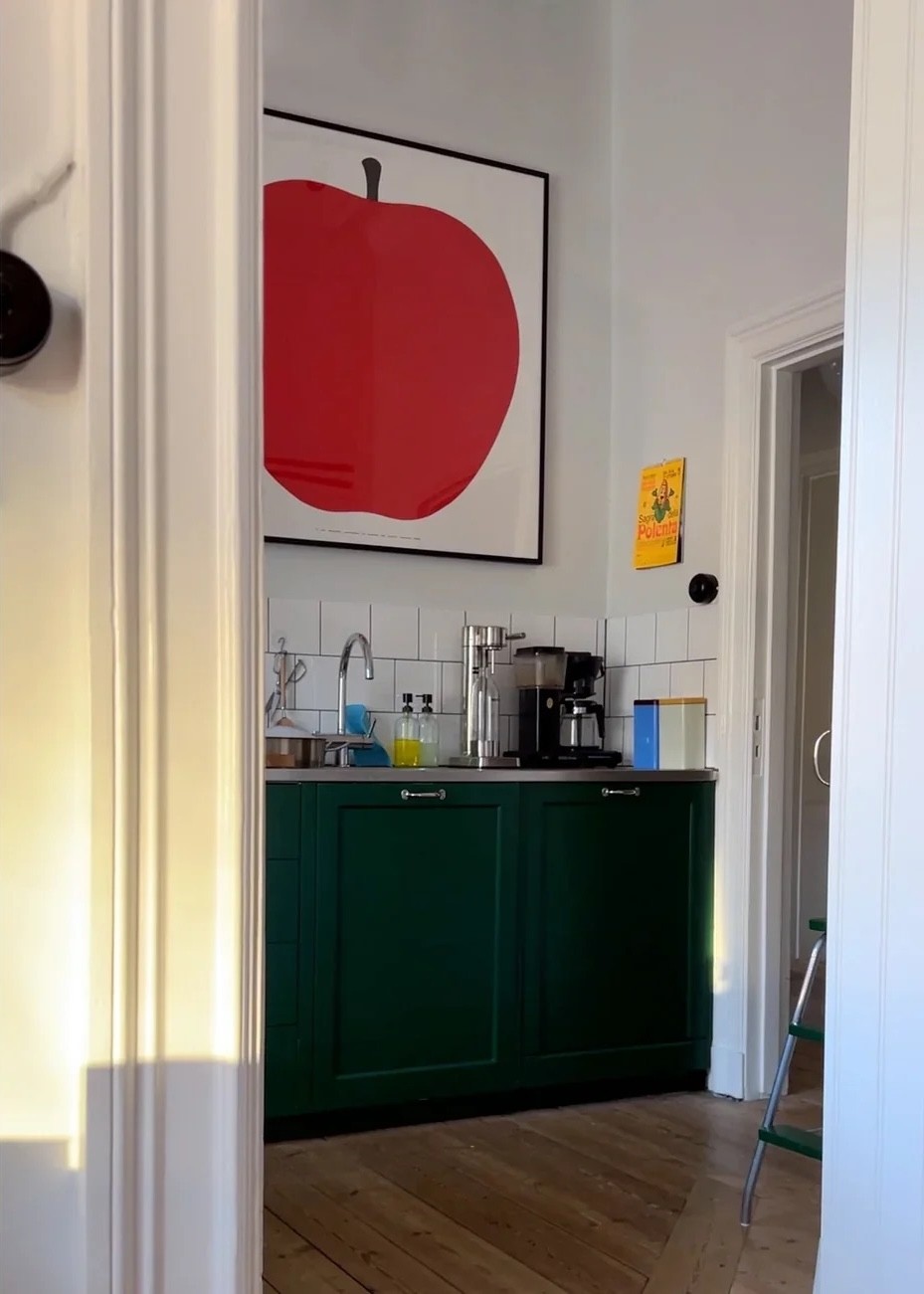
"Well, I started Soft Servings out of just a natural overlap of interest. I am a major foodie, so I cook and host all of the time, and the kitchen has always been my favourite part of the home, even as a child. That's why I started this account, to honor the architecture that I had always loved, that I'd observed in books or online and magazines. I also have a huge interest in kitchen tools and kitchenware. So long story short, it is a perfect combination of my core passions and I can basically combine a hobby with my profession."
I was then curious to hear more about Cristina's relationship to cooking.
"I actually had a conversation with a friend who's also a foodie about when you have a flu and people offer to cook food for you, to help you out. We agreed that we actually don’t find it much of a relief, because cooking already is the ultimate remedy.
When I go home, on a regular day, I have this half an hour of just wind down that happens while I cook, and this is a sacred moment for me. Chopping is a meditation process. When I have more time to spend, I like to experiment with long-term cooking such as baking, fermenting or pickling. It’s very rewarding to see food 'grow' too."
An interior-obsessed collector of kitchenware, I was eager to hear what makes the perfect kitchen object to Cristina and how she goes about finding them.
"The perfect item is something you want to display, look at, and also want to use every day. Those are the nicest types of objects for me. In terms of specific ones that I cherish most are those that I have had an obsession with for many years and which finally make it into my home."
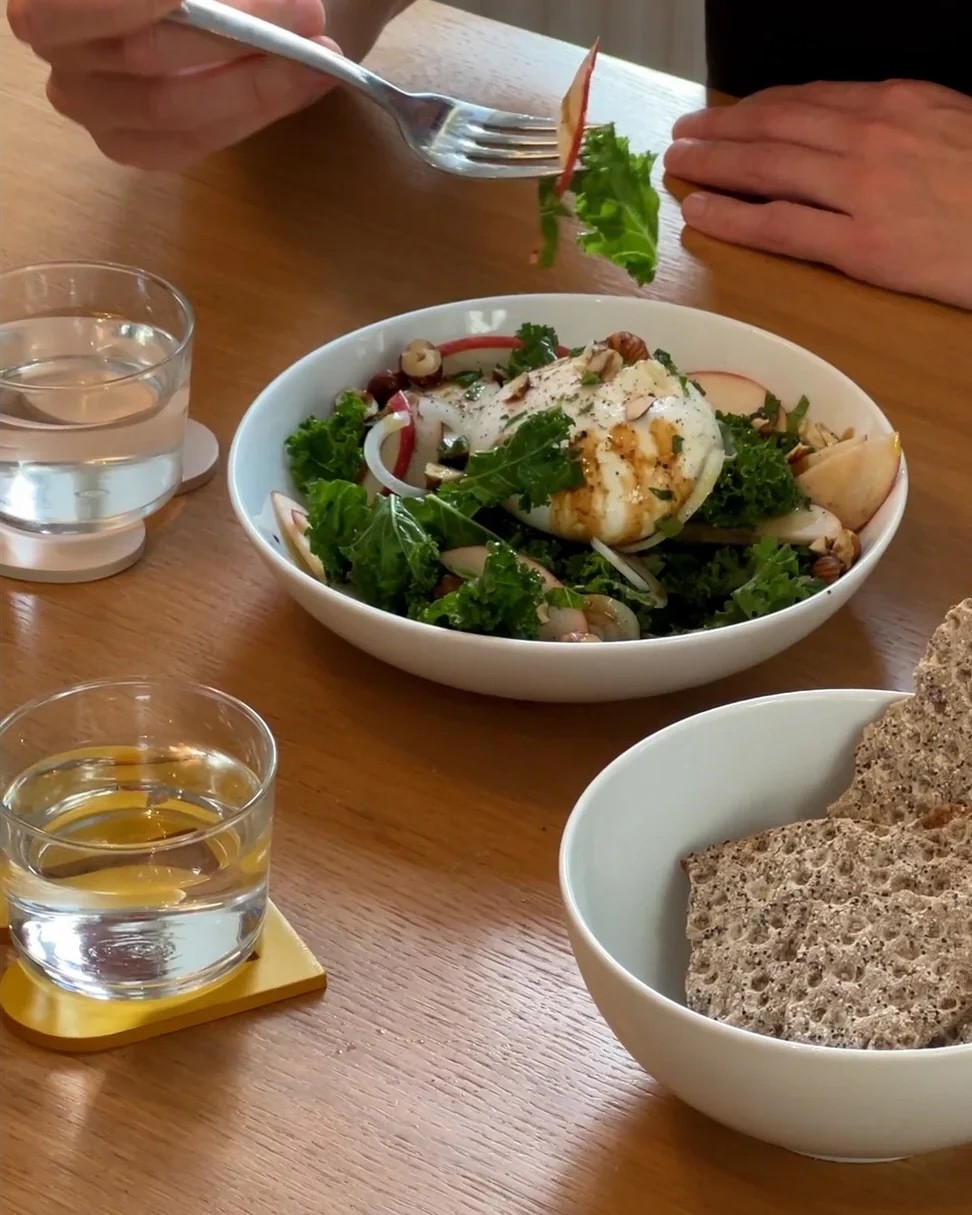
I was very curious if Cristina held an ideal future for societal relationships to kitchens.
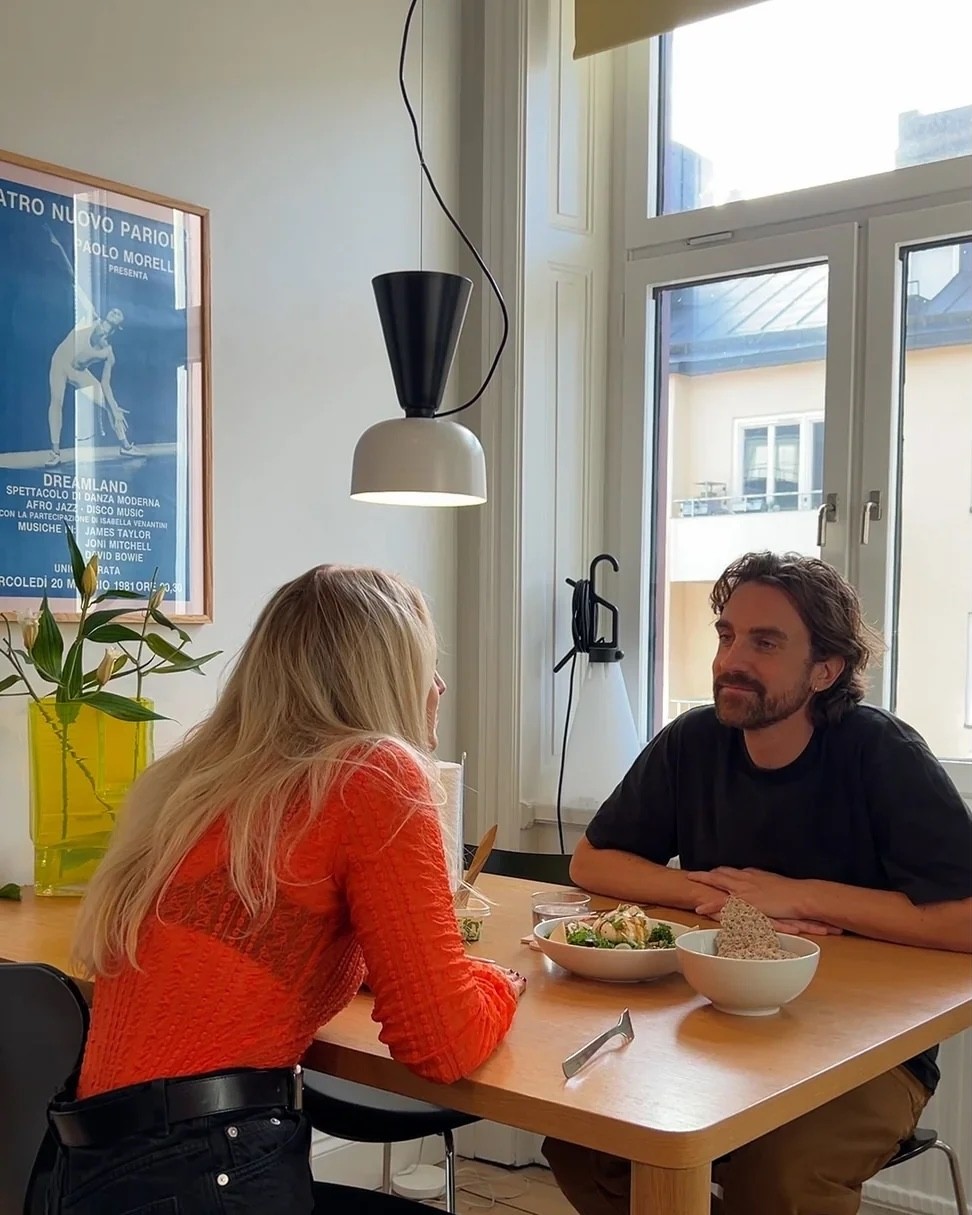
"If you look at the past of how really famous architects have integrated the kitchen into their floor plans, it was kind of always the smallest, most neglected part. And I want to enter an era where the kitchen gets more attention, where it’s the centre of a home n the past few years, people really started to care for the aesthetics of their kitchens, but I would like to push it even more and see how this can be the perfect space to encourage people to cook more, to nourish themselves more, to develop an interest in cooking. Even if they don't like to cook, let the kitchen still be a space that is beautiful enough for you to want to spend time there. I think that would be the ultimate goal."
When we worked with Cristina a few weeks ago on her stunning interior concept, it was clear that she deeply understood the sensibilities of TERMINO. I was interested then to hear how she herself might articulate our overlaps in values.
"What's really interesting and genius is that you can move with it, or you can even rearrange it if your needs change. That's something that no one really thinks about. When you build kitchens, it's like you design a kitchen, and that's it. You can't build and rebuild kitchens if they're made of wood, for example, because the material doesn't withstand the complications of moving often."
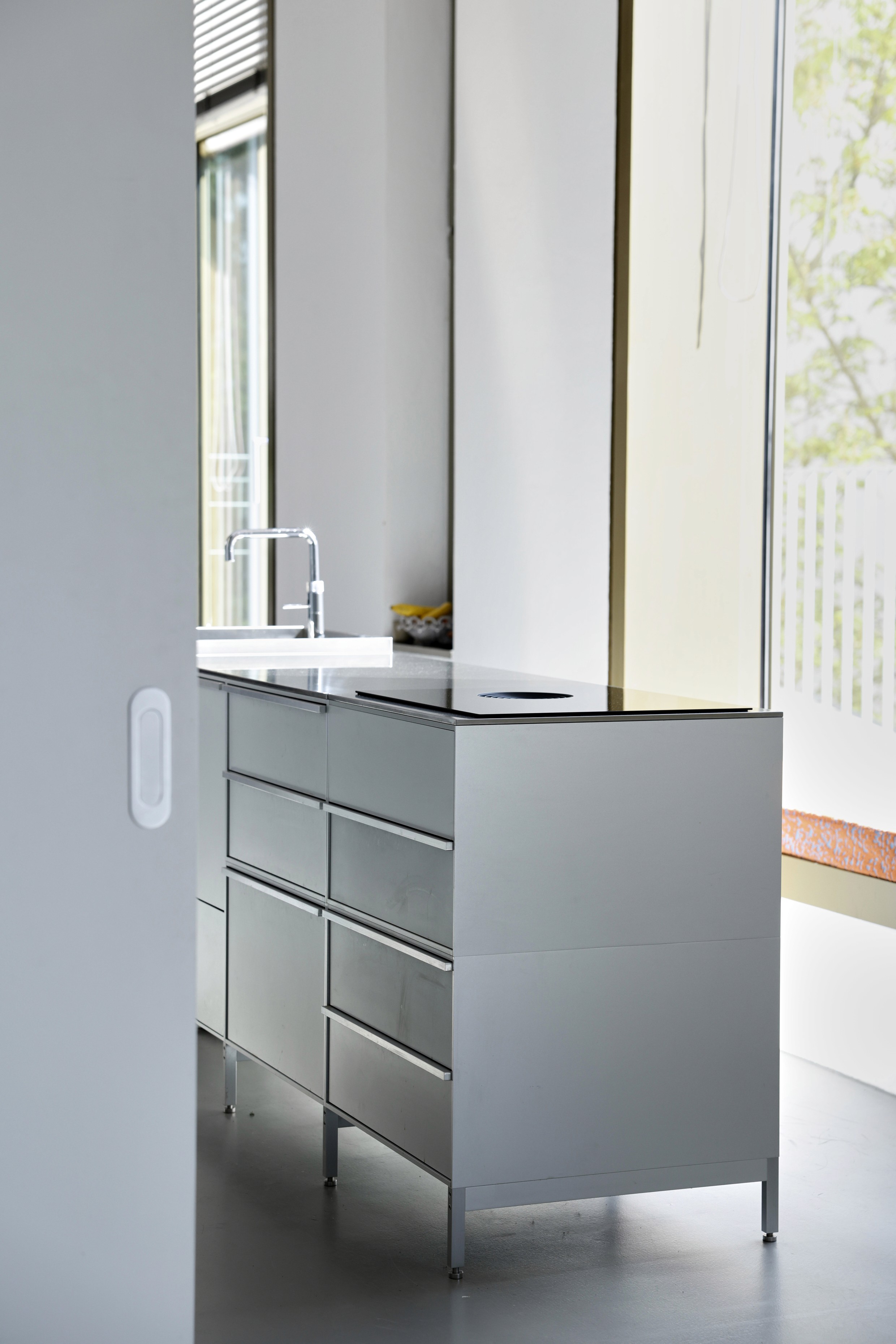
"I think we're completely aligned on the aesthetic approach of creating a kitchen space. The modules are so beautiful and the finishes are so pristine. And I've always had a big love for stainless steel. You can put cold and hot things on it without damaging it. So the durability aspect of the materials is something I really identify with."
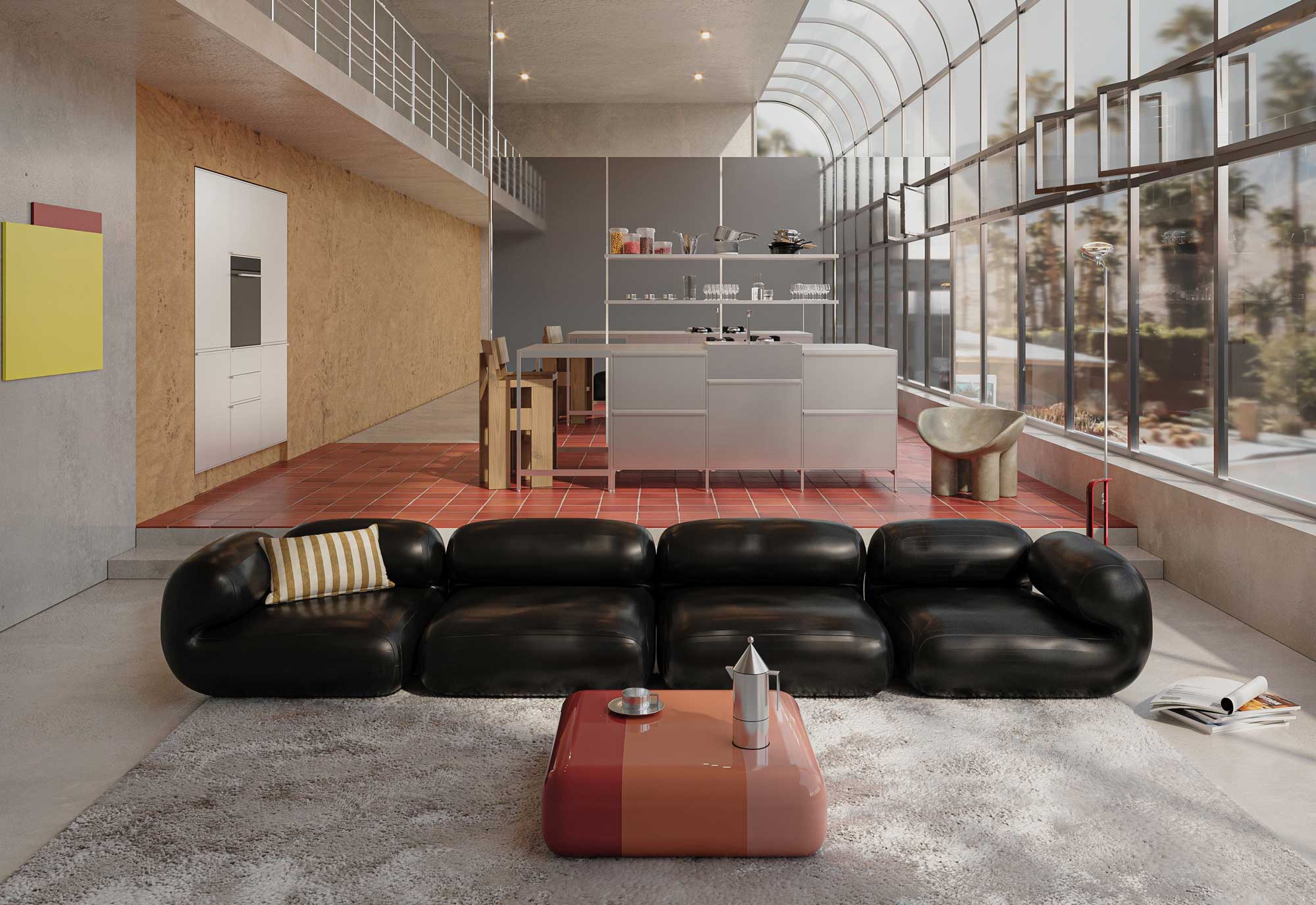
Thank you to Cristina for the beautiful interior space you designed for us. You can read the full article about it below, as well as follow Cristina and Soft Servings on Instagram.
CREDITS
Interview By:
Ewan Wandell
Interviewee:
Christina Poelk
Portrait By:
Mathilda Werngren
Interior Scene Visualised by:
Laura Dauby
A couple of weeks ago we unveiled our latest collaborative space with Interior Architect Cristina Poelk. Cristina envisioned an entirely new TERMINO configuration, wrapped up in a spatial experience that's both sleek yet cosy. And we loved speaking with her! So we wanted to do it again right away in the form of an interview.
We jumped on a Berlin -> Stockholm facetime to ask about her kitchen platform Soft Servings, her relationship to the kitchen as a space, and how she envisions the role of the kitchen in future society. Enjoy!
"For me, everything has always happened in the kitchen. It's such a warm place, quite literally, but also more emotionally"
I opened with a more fundamental question about why exactly Cristina is so passionate about the kitchen as a space above others.
"The daily ritual of cooking is extremely important. After a day at work, that's the time where I wind down and have that “How’s your day been” conversation while I prepare food. These things are so interconnected for me, nourishing and talking to each other and working with your hands, cooking and dining addresses all the senses. I think it comes from this family mindset. It's just a very social place; maybe the most social place in the home."
What's the story behind your kitchen Instagram "Soft Servings"?
"Well, I started Soft Servings out of just a natural overlap of interest. I am a major foodie, so I cook and host all of the time, and the kitchen has always been my favourite part of the home, even as a child. That's why I started this account, to honor the architecture that I had always loved, that I'd observed in books or online and magazines. I also have a huge interest in kitchen tools and kitchenware. So long story short, it is a perfect combination of my core passions and I can basically combine a hobby with my profession."
I was then curious to hear more about Cristina's relationship to cooking.
"I actually had a conversation with a friend who's also a foodie about when you have a flu and people offer to cook food for you, to help you out. We agreed that we actually don’t find it much of a relief, because cooking already is the ultimate remedy.
When I go home, on a regular day, I have this half an hour of just wind down that happens while I cook, and this is a sacred moment for me. Chopping is a meditation process. When I have more time to spend, I like to experiment with long-term cooking such as baking, fermenting or pickling. It’s very rewarding to see food 'grow' too."
An interior-obsessed collector of kitchenware, I was eager to hear what makes the perfect kitchen object to Cristina and how she goes about finding them.
"The perfect item is something you want to display, look at, and also want to use every day. Those are the nicest types of objects for me. In terms of specific ones that I cherish most are those that I have had an obsession with for many years and which finally make it into my home."
I was very curious if Cristina held an ideal future for societal relationships to kitchens.
"If you look at the past of how really famous architects have integrated the kitchen into their floor plans, it was kind of always the smallest, most neglected part. And I want to enter an era where the kitchen gets more attention, where it’s the centre of a home n the past few years, people really started to care for the aesthetics of their kitchens, but I would like to push it even more and see how this can be the perfect space to encourage people to cook more, to nourish themselves more, to develop an interest in cooking. Even if they don't like to cook, let the kitchen still be a space that is beautiful enough for you to want to spend time there. I think that would be the ultimate goal."
When we worked with Cristina a few weeks ago on her stunning interior concept, it was clear that she deeply understood the sensibilities of TERMINO. I was interested then to hear how she herself might articulate our overlaps in values.
"What's really interesting and genius is that you can move with it, or you can even rearrange it if your needs change. That's something that no one really thinks about. When you build kitchens, it's like you design a kitchen, and that's it. You can't build and rebuild kitchens if they're made of wood, for example, because the material doesn't withstand the complications of moving often."
"I think we're completely aligned on the aesthetic approach of creating a kitchen space. The modules are so beautiful and the finishes are so pristine. And I've always had a big love for stainless steel. You can put cold and hot things on it without damaging it. So the durability aspect of the materials is something I really identify with."
Thank you to Cristina for the beautiful interior space you designed for us. You can read the full article about it below, as well as follow Cristina and Soft Servings on Instagram.
CREDITS
Interview By:
Ewan Wandell
Interviewee:
Christina Poelk
Portrait By:
Mathilda Werngren
Interior Scene Visualised by:
Laura Dauby
A couple of weeks ago we unveiled our latest collaborative space with Interior Architect Cristina Poelk. Cristina envisioned an entirely new TERMINO configuration, wrapped up in a spatial experience that's both sleek yet cosy. And we loved speaking with her! So we wanted to do it again right away in the form of an interview.
We jumped on a Berlin -> Stockholm facetime to ask about her kitchen platform Soft Servings, her relationship to the kitchen as a space, and how she envisions the role of the kitchen in future society. Enjoy!
"For me, everything has always happened in the kitchen. It's such a warm place, quite literally, but also more emotionally"
I opened with a more fundamental question about why exactly Cristina is so passionate about the kitchen as a space above others.
"The daily ritual of cooking is extremely important. After a day at work, that's the time where I wind down and have that “How’s your day been” conversation while I prepare food. These things are so interconnected for me, nourishing and talking to each other and working with your hands, cooking and dining addresses all the senses. I think it comes from this family mindset. It's just a very social place; maybe the most social place in the home."
What's the story behind your kitchen Instagram "Soft Servings"?
"Well, I started Soft Servings out of just a natural overlap of interest. I am a major foodie, so I cook and host all of the time, and the kitchen has always been my favourite part of the home, even as a child. That's why I started this account, to honor the architecture that I had always loved, that I'd observed in books or online and magazines. I also have a huge interest in kitchen tools and kitchenware. So long story short, it is a perfect combination of my core passions and I can basically combine a hobby with my profession."
I was then curious to hear more about Cristina's relationship to cooking.
"I actually had a conversation with a friend who's also a foodie about when you have a flu and people offer to cook food for you, to help you out. We agreed that we actually don’t find it much of a relief, because cooking already is the ultimate remedy.
When I go home, on a regular day, I have this half an hour of just wind down that happens while I cook, and this is a sacred moment for me. Chopping is a meditation process. When I have more time to spend, I like to experiment with long-term cooking such as baking, fermenting or pickling. It’s very rewarding to see food 'grow' too."
An interior-obsessed collector of kitchenware, I was eager to hear what makes the perfect kitchen object to Cristina and how she goes about finding them.
"The perfect item is something you want to display, look at, and also want to use every day. Those are the nicest types of objects for me. In terms of specific ones that I cherish most are those that I have had an obsession with for many years and which finally make it into my home."
I was very curious if Cristina held an ideal future for societal relationships to kitchens.
"If you look at the past of how really famous architects have integrated the kitchen into their floor plans, it was kind of always the smallest, most neglected part. And I want to enter an era where the kitchen gets more attention, where it’s the centre of a home n the past few years, people really started to care for the aesthetics of their kitchens, but I would like to push it even more and see how this can be the perfect space to encourage people to cook more, to nourish themselves more, to develop an interest in cooking. Even if they don't like to cook, let the kitchen still be a space that is beautiful enough for you to want to spend time there. I think that would be the ultimate goal."
When we worked with Cristina a few weeks ago on her stunning interior concept, it was clear that she deeply understood the sensibilities of TERMINO. I was interested then to hear how she herself might articulate our overlaps in values.
"What's really interesting and genius is that you can move with it, or you can even rearrange it if your needs change. That's something that no one really thinks about. When you build kitchens, it's like you design a kitchen, and that's it. You can't build and rebuild kitchens if they're made of wood, for example, because the material doesn't withstand the complications of moving often."
"I think we're completely aligned on the aesthetic approach of creating a kitchen space. The modules are so beautiful and the finishes are so pristine. And I've always had a big love for stainless steel. You can put cold and hot things on it without damaging it. So the durability aspect of the materials is something I really identify with."
Thank you to Cristina for the beautiful interior space you designed for us. You can read the full article about it below, as well as follow Cristina and Soft Servings on Instagram.
CREDITS
Interview By:
Ewan Wandell
Interviewee:
Christina Poelk
Portrait By:
Mathilda Werngren
Interior Scene Visualised by:
Laura Dauby


© 2026 Termino GmbH — Engineered in Berlin.
© 2026 Termino GmbH — Engineered in Berlin.
© 2026 Termino GmbH — Engineered in Berlin.